Elephants, ecology, and conservation in practice.
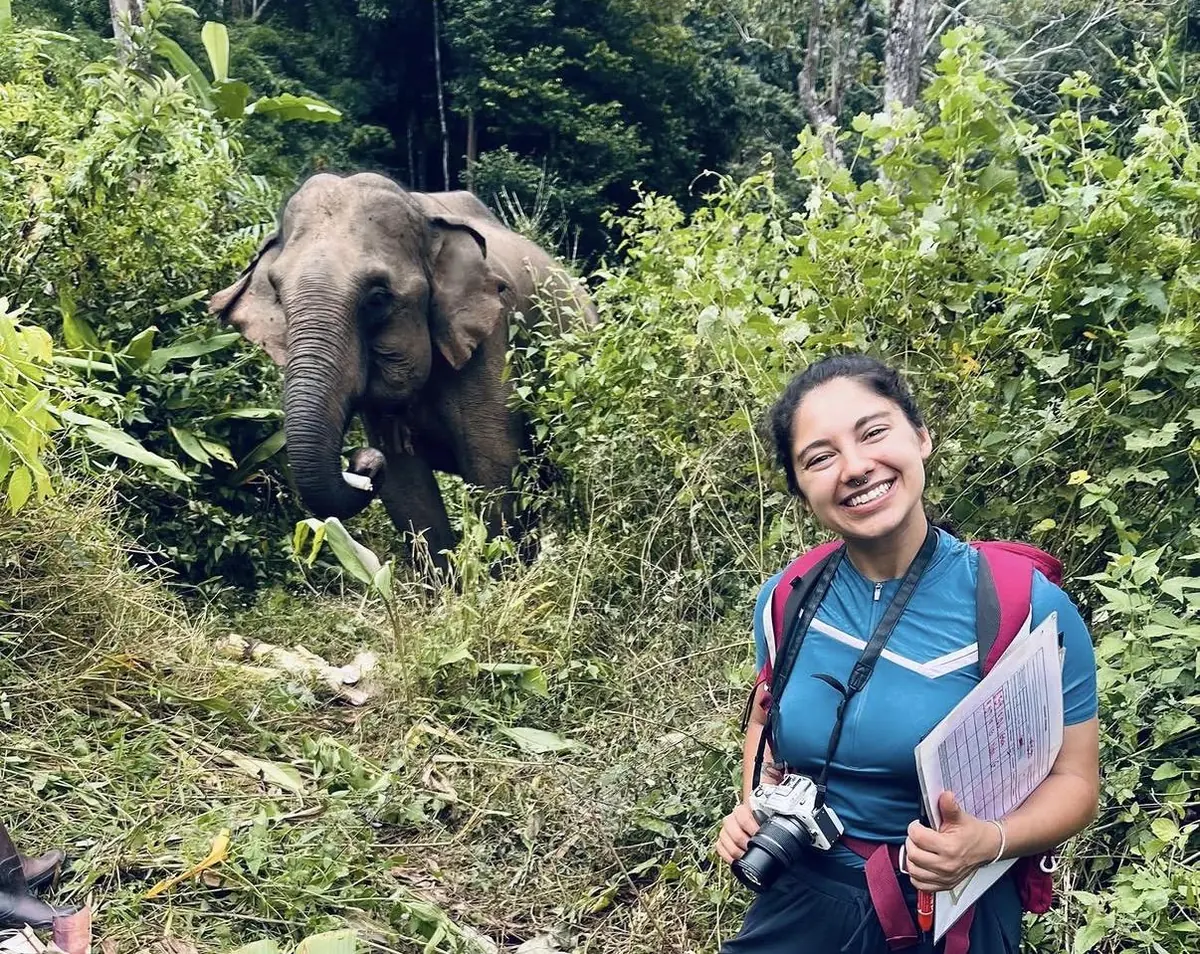
An 18-day field course in Thailand for universities and study-abroad providers. Students learn standard wildlife and human-dimensions field methods at eight sites, from cloud forest to a Karen village to the farm edge where elephants and people meet. The curriculum, the sites, and the in-country team are built. Your institution adds the students and the credit.
Human-elephant conflict is the clearest teaching case for a problem with no purely technical solution.
Thailand's wild elephant population has grown to roughly 4,000 over the last 30 years, while about 70% of the species' historical habitat in the country has been converted to other uses. Students watch a well-designed intervention fail for social reasons and a socially strong intervention fail for technical ones, at the sites where both happened.
Four biogeographic zones meet in a country the size of France.
Thailand sits where the Sundaic, Indo-Chinese, Indo-Burmese, and Sino-Himalayan zones converge, and its protected areas are close enough together that 18 days cross a montane cloud forest, a mixed deciduous core protection zone, and a farm-forest interface without a single internal flight.
A growing population inside a shrinking habitat.
Thailand is one of the few parts of the Asian elephant range where the species is expanding. That makes it the right place to teach conservation as practiced: students design and run standard wildlife surveys, sample animal behavior systematically, collect human-dimensions data, and record, manage, and interpret what they gather.
Every methods module carries a social, ecological, and cultural component, and asks who counts as an observer, whose knowledge enters the dataset, and which costs get measured.
What students leave able to do.
Asian elephant ecology, behavior, and individual identification
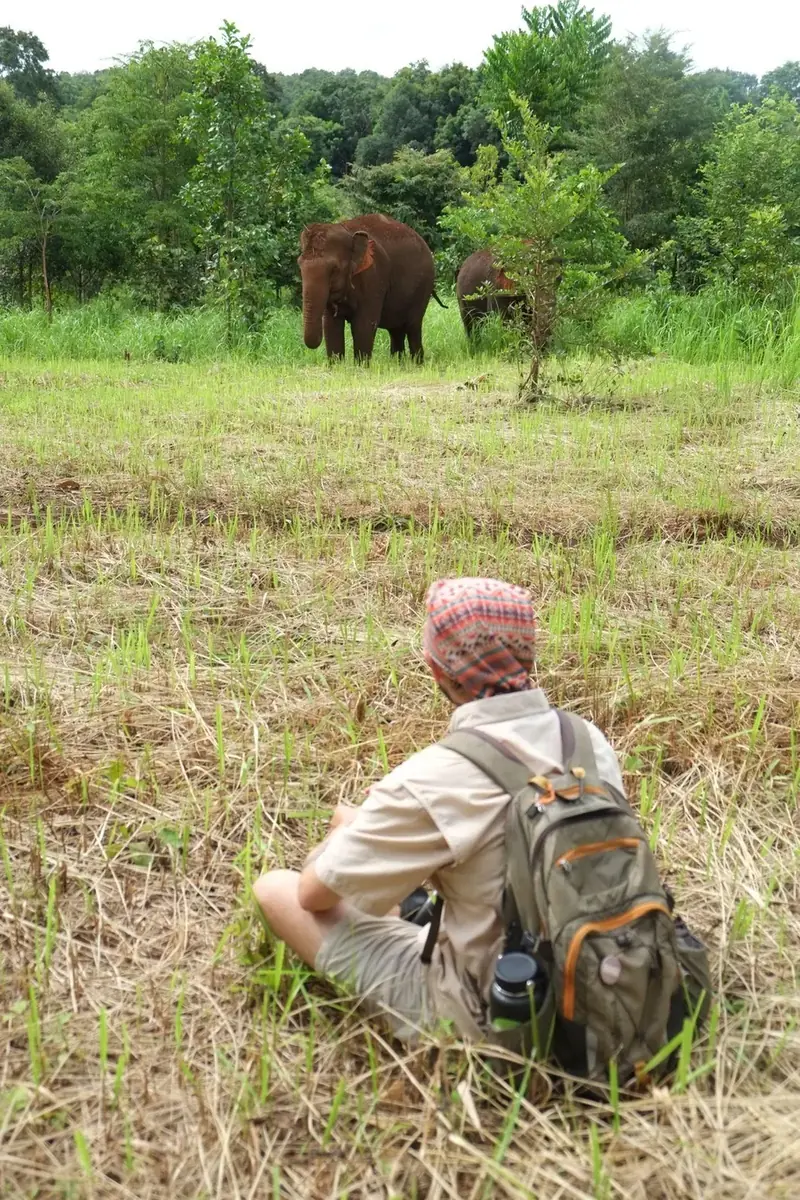
Working knowledge of Elephas maximus social structure, communication, foraging ecology, and habitat use. Students identify individuals by photo ID, ear notches, tail characteristics, and tusk and tush morphology, and build ethograms under sustained observation.
Tropical forest ecology and biodiversity monitoring
Forest structure, species composition, and biodiversity patterns across an elevation gradient, from Doi Inthanon's cloud forest to the evergreen and mixed deciduous forest of the Western Forest Complex and the farm edge, with biogeographic frameworks for species distributions at regional scales.
Conservation field survey methods
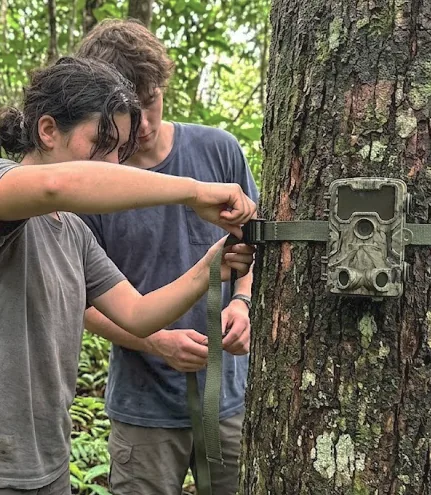
Bird point counts, line transects for mammals, camera trap deployment, and ethogram-based behavioral sampling, with the logic of sampling design, sources of bias, and the interpretation of quantitative data collected under field conditions.
Human-elephant coexistence and conflict mitigation
Conflict analyzed as a social-ecological problem, not a wildlife management problem alone. Students interrogate the evidence base for early warning systems, beehive fences, crop-switching, physical barriers, and community-based monitoring.
Conservation institutions and governance
The operational logic, theory of change, and structural constraints of the Department of National Parks, World Heritage management, the state-run Thai Elephant Conservation Center, the community sanctuary KSES, the Friends of the Asian Elephant Hospital, and ZSL's Nature-based Solutions program.
Conservation and communities
Direct engagement with Karen communities, Thai smallholder farmers, mahouts, park rangers, and ZSL staff. Imposed coexistence, adverse incorporation, and GEDSI as operational tools rather than compliance boxes, with the Billy Rakchongcharoen case and Kaeng Krachan's 2021 UNESCO inscription as the worked example.
Thailand's cultural and political context for conservation
How elephants function as symbols in Thai statecraft and Buddhist kingship from the Sukhothai period forward, how the 1989 logging ban reshaped the captive population, and how today's institutions inherit those histories. Basic Thai sufficient for respectful community engagement.
Research design, execution, and communication
Question formulation, study design, data collection in the field, analysis, and written and oral communication of results, carried through a bounded field project and an individual technical brief.
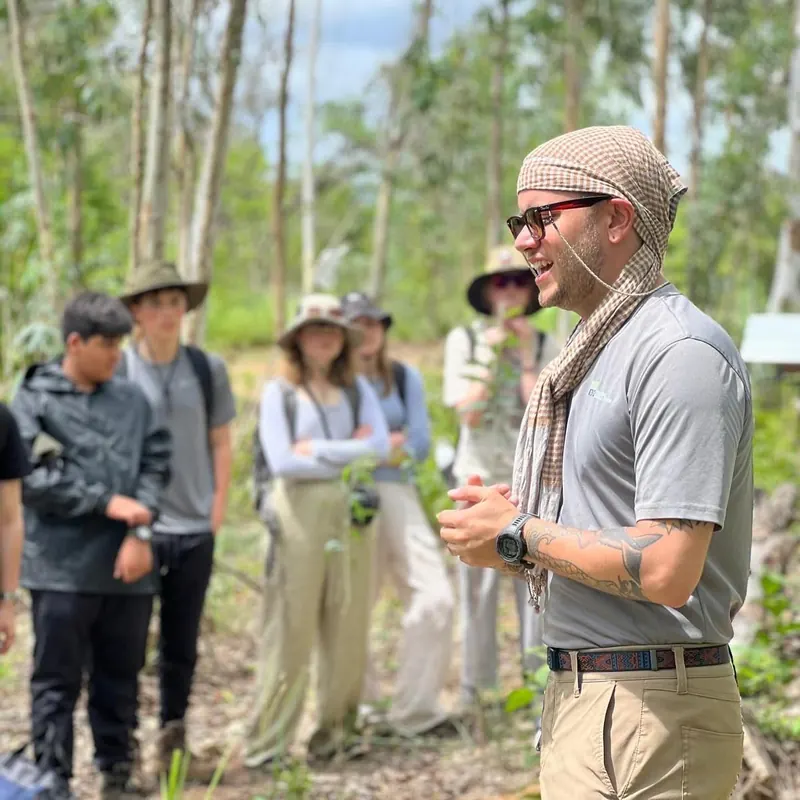
The course runs from faculty-led instruction at the start to student-led critical evaluation, analysis, and synthesis at the end. Prior field research experience is not required; every skill is taught on site. Students need to arrive adaptable, open-minded, and ready to learn.
Three semester credits. 135 documented hours.
Proposed as a study-abroad or field course aligned with your existing program track. Your institution sets the course number, level, applicability, grading scale, tuition, and credential treatment; the program supplies the curriculum, the field instruction, and the assessment recommendation.
Where the 135 hours go
- 12 Pre-departure preparation: readings, short lectures, a field-methods primer, safety and conduct, entry and insurance readiness, data and consent protocols
- 48 Direct faculty and partner instruction: methods demonstrations, seminars, briefings, guest lectures, and discussions with rangers, farmers, and partner staff
- 57 Structured supervised field practice: sampling, observation, data entry, field notebooks, group project work, QA/QC, analysis, presentations
- 18 Post-program capstone: methods portfolio, technical brief, revision after feedback, final reflection
How students are assessed
- Field notebook and standardized data sheets20%
- Methods portfolio with competency checks30%
- Team field project on non-identifiable, non-sensitive data, presented on Day 1830%
- Environmental-justice audit of one site: distribution, recognition, procedure, capabilities10%
- Individual synthesis technical brief, submitted after the program10%
Instructor of record, two routes
Route A: your faculty member holds the record
Tyler Nuckols serves as course designer and lead field instructor. Your faculty member of record owns the syllabus of record, grade submission, and the accreditation relationship; the field instructor owns the teaching and the assessment recommendation. This is the standard model for a field course delivered by a third party and requires no new appointment.
Route B: Tyler holds the record directly
Tyler is appointed as an adjunct, affiliate, or visiting instructor at your institution and serves as instructor of record. Academically cleaner, with one fewer handoff in the grading chain, at the cost of an appointment process.
Instruction, not generalizable research
Your HRPP or IRB issues a written determination that the activities are not human-subjects research, or specifies any review required. Interviews are non-identifiable educational conversations; participation is voluntary, and no names or recordings are retained.
Not authorized at any site
- Biological collection
- Animal handling
- Any identifiable interview dataset
- Public release of sensitive wildlife locations
Eighteen days, eight sites, five phases.
The route runs north to south, from Chiang Mai through the western forest belt to Bangkok, with every transfer overland. Each phase opens with a field question, teaches a method, and treats the social and institutional content as part of the method.
-
Calibrate Days 1 to 3
Chiang Mai, Doi Suthep, Doi Inthanon
Field safety; sampling design; point-count, transect, vegetation, GPS, and data-sheet fundamentals; watershed and cultural-landscape context.
-
Observe Days 4 to 7
Kindred Spirit Elephant Sanctuary, Ban Naklang
Ethograms, focal and scan sampling, individual ID, inter-observer reliability, community-based conservation, mahout livelihoods, Karen Indigenous knowledge.
-
Compare institutions Days 8 to 9
Lampang (Thai Elephant Conservation Center), Sukhothai
Welfare indicators, state and community institutions, working-elephant history, material culture, governance, the politics of evidence.
-
Apply Days 10 to 15
Huai Kha Khaeng, Kanchanaburi with ZSL Thailand
Camera-trap and spatial logic, ranger knowledge, human-dimensions methods, coexistence interventions, participatory monitoring, GEDSI, safeguards.
-
Synthesize Days 16 to 18, plus post-program
Bangkok
QA/QC, analysis, the environmental-justice audit, team presentations, the individual technical brief.
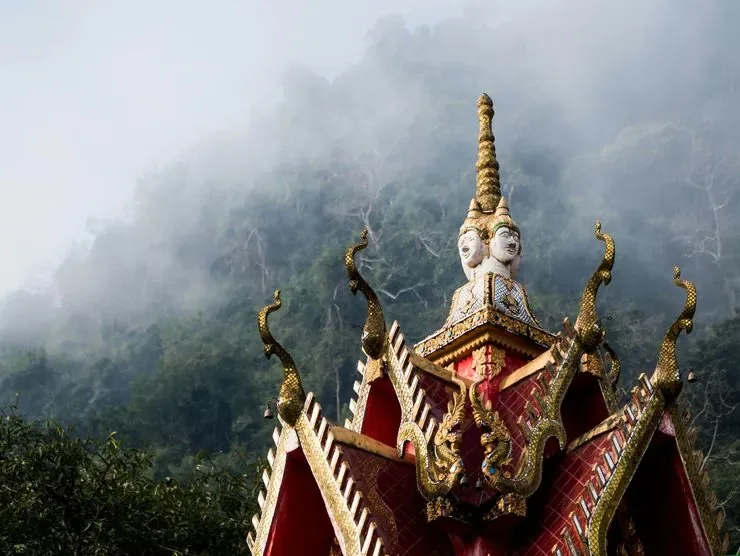 Days 1 to 2
Chiang Mai and Doi Suthep
Arrival, orientation, and the safety and field-conduct briefing; a half day at the Doi Suthep Nature Center on forest ecology and survey methods.
 Day 3
Day 3Doi Inthanon
Montane and elevation-gradient ecology: bird point counts, mammal sign and line-transect practice, watershed and highland-livelihood context.
 Days 4 to 7
Ban Naklang and Kindred Spirit
Four nights in a Karen homestay: ethograms, focal and scan sampling, individual ID, captive-elephant welfare, and the community-sanctuary model.
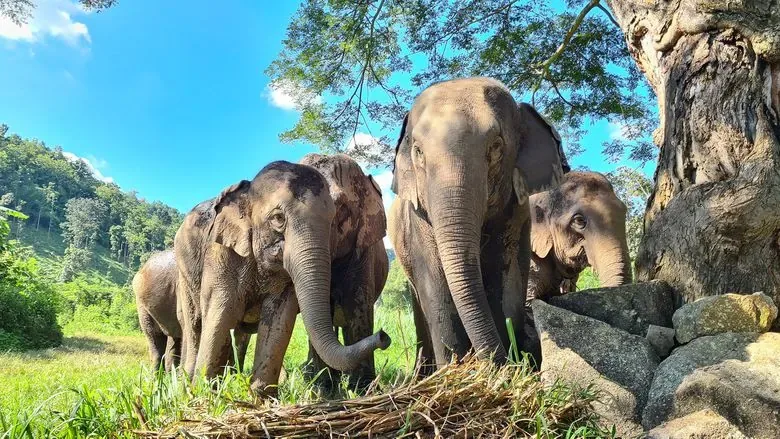 Day 8
Day 8Lampang
The Thai Elephant Conservation Center: the government captive-elephant and mahout-apprenticeship model, compared with the community sanctuary.
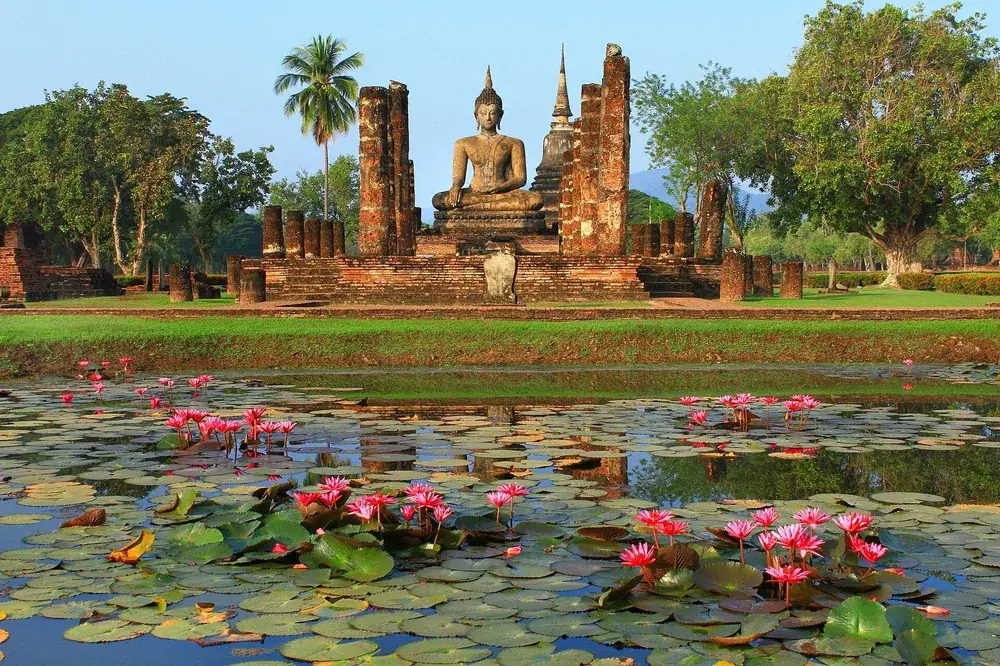 Day 9
Day 9Sukhothai
Sukhothai Historical Park: elephants in Thai statecraft and Buddhist kingship, read on site.
 Days 10 to 12
Huai Kha Khaeng
Ranger-led trails and watchtowers in a strict-protection World Heritage forest: the tiger prey base, biodiversity, and camera-trap logic in a core protected area.
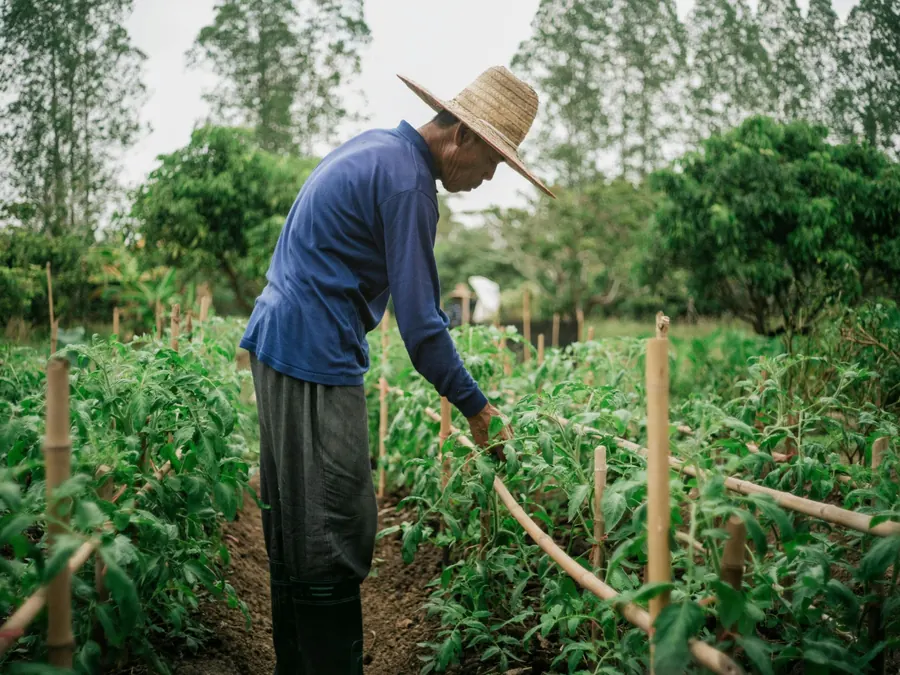 Days 13 to 15
Kanchanaburi
Human-elephant conflict with ZSL Thailand in the WEFCOM buffer: agroforestry fieldwork, community-based monitoring design, interviews, and the GEDSI and safeguards session.
 Days 16 to 18
Bangkok
A buffer day for permit, weather, or road delays, then the synthesis seminar, project analysis and writing, presentations, and the final debrief.
Swipe through the eight stops.
The full day-by-day itinerary
| Days | Where | Focus and methods |
|---|---|---|
| Day 1 | Chiang Mai | Arrival on the domestic connection from Bangkok; orientation; safety and field-conduct briefing; framing seminar on elephants in Thai society and the country's conservation institutions. |
| Day 2 | Chiang Mai and Doi Suthep | Doi Suthep Nature Center (half day): forest ecology and a survey-methods primer covering survey design, data recording, and individual identification. |
| Day 3 | Doi Inthanon National Park | Montane and elevation-gradient ecology; bird point counts; mammal sign and line-transect practice; watershed and highland-livelihood context. |
| Days 4 to 7 | KSES, Ban Naklang | Karen homestay; ethogram construction; focal and scan sampling; individual ID; camera-trap concepts; traditional ecological knowledge; captive-elephant welfare; the community-sanctuary model. |
| Day 8 | Lampang (TECC) | The longest drive, Mae Chaem to Lampang around the Doi Inthanon massif. Thai Elephant Conservation Center: the government captive-elephant and mahout-apprenticeship model; welfare-governance comparison with the community sanctuary. |
| Day 9 | Sukhothai | Drive south; Sukhothai Historical Park; elephants in Thai statecraft and Buddhist kingship, on site. |
| Day 10 | Sukhothai to Huai Kha Khaeng | Transfer to Huai Kha Khaeng; permit and safety briefing; first ranger-led activity. |
| Days 11 to 12 | Huai Kha Khaeng Wildlife Sanctuary | Ranger-led trails and watchtowers; strict protection and World Heritage management; tiger prey base and biodiversity; camera-trap concepts in a core protected area. |
| Day 13 | Huai Kha Khaeng to Kanchanaburi | Transfer (about four hours); afternoon human-elephant conflict framing with ZSL Thailand. |
| Days 14 to 15 | Kanchanaburi (ZSL) | Agroforestry fieldwork; community-based monitoring design; human-elephant conflict interviews and human-dimensions methods; GEDSI and social-safeguards session; the coexistence toolkit; WEFCOM buffer-zone ecology. |
| Day 16 | Kanchanaburi to Bangkok | Buffer for permit, weather, or road delays; otherwise additional buffer-zone fieldwork; transfer to Bangkok. |
| Day 17 | Bangkok | Synthesis seminar tying ecology, society, and culture together; project analysis and writing. |
| Day 18 | Bangkok | Student project presentations; final assessment and debrief; program close and departures. |
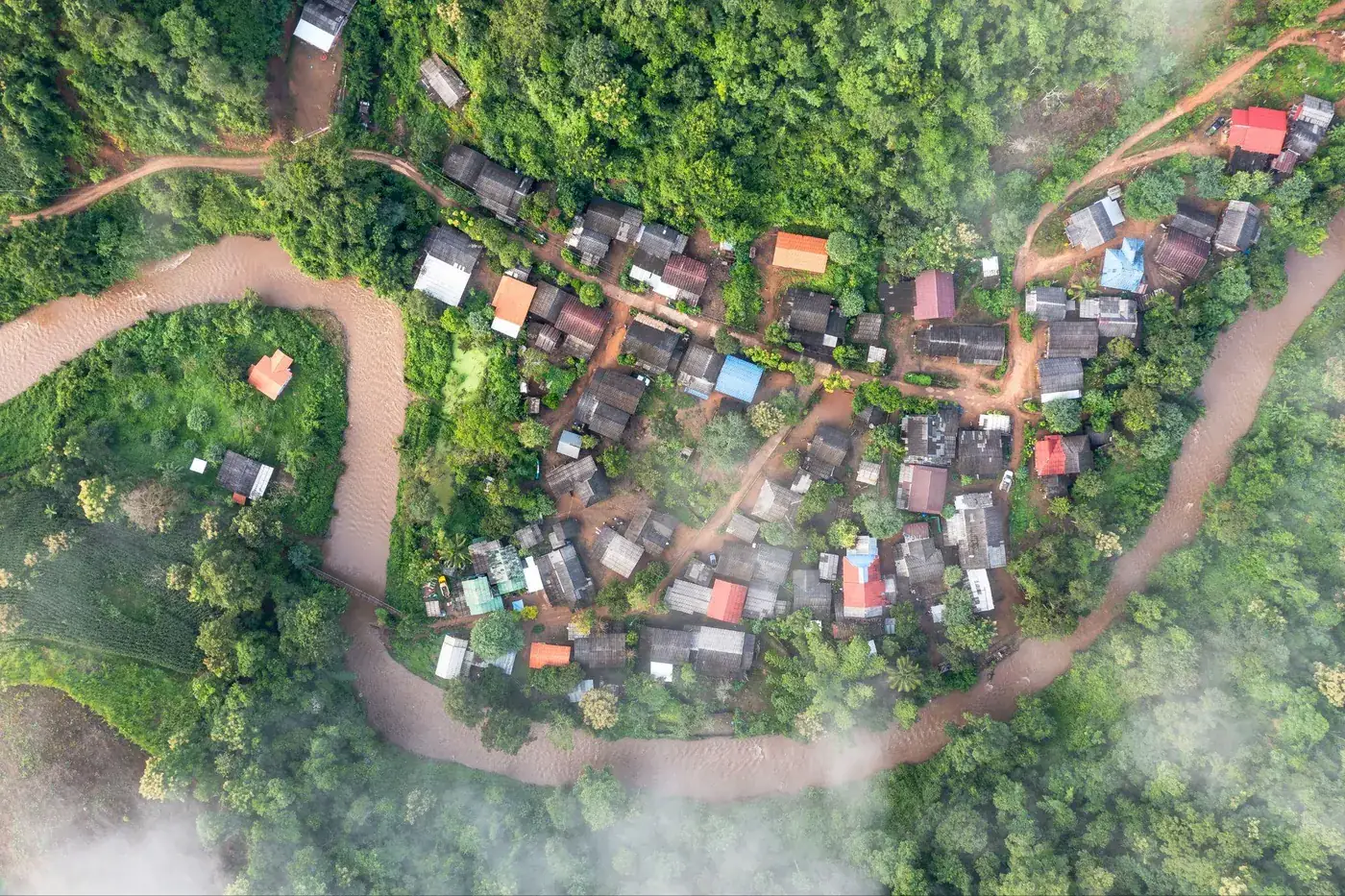
Ground operations, run by people who live here.
Mitria Community Connections runs transport, lodging, and site coordination under the direction of Tyler and Mook, and the program fee covers all of it. Students arrange only their flights.
Ground transport
Two private vans with professional drivers, each refitted to 11 reclining seats, carry the group of 18 and its luggage over the whole route. Both run on factory diesel. Thai law governs passenger vans to 90 km/h, and the travel days are timed to it; the longest legs, Chiang Mai to Ban Naklang and Huai Kha Khaeng to Kanchanaburi, run about four hours.
Lodging and meals
Hotels and guesthouses in the cities, a lodge at Doi Inthanon, a four-night Karen homestay at Ban Naklang, and sanctuary accommodation at Huai Kha Khaeng. Full board from the first group meal to the last; vegetarian and disclosed medical diets accommodated. Camping is optional and the partner's call, with rentals available.
Entry requirements
US citizens enter on a 30-day visa exemption issued on arrival, extendable once by 30 days for personal travel. Each student files the free Thailand Digital Arrival Card within 72 hours before arrival. Passports must be valid for six months beyond entry.
Air travel
Students book their own flights to Bangkok (BKK) and the domestic connection to Chiang Mai (CNX), where the program begins. Airfare sits outside the program fee.
Park and site fees
Included: Doi Inthanon (300 THB per foreign adult), Doi Suthep-Pui (100 THB), the Thai Elephant Conservation Center (200 THB), and ranger fees.
Field support
A licensed Thai coordinator and translator at every community session and interview, a medical-response retainer, first aid, tested communications, and all program and field equipment.
The fee covers everything on the ground.
The fee is $3,600 per student at the target cohort of 10, and it falls as the cohort grows. It covers field-based delivery in full. Your institution sets its academic credit, tuition, and administrative charges on top of it.
Fee by cohort size
At 10 students the program fee totals $36,000, paid by your institution to the provider. The enrollment count on the go/no-go date sets the final rate.
Where $3,600 goes
- ~$1,400 Field team and instruction: the lead instructor and the Thai coordinator, translator, and guide
- ~$1,400 Transport, lodging, meals: private vans and drivers, all lodging, full board
- ~$350 Site access, tools, safety: park and partner fees, teaching tools, medical retainer, communications
- ~$450 Admin and contingency: coordination, unforeseen change reserve, currency change
Amounts firm up on the final quote and confirmed fees.
What the fee includes
- 18 days in country
- All overland transport: private vans with professional drivers, full route
- All accommodation: hotels, guesthouses, the Doi Inthanon lodge, the Karen homestay
- All meals, full board
- Park and field-site entrance fees
- All partner engagement and activity costs
- Program and field equipment, and teaching materials
- The lead instructor, and the Thai coordinator, translator, and licensed guide
- Ground operations and logistics
- In-country medical-response retainer, first aid, and communications
What it excludes
- Airfare, international and the domestic connection to Chiang Mai
- Academic credit and tuition, set and provided by the institution
- Student travel and medical insurance
- Camping gear, if a partner adds an optional camping night
- Clothing, footwear, and equipment for trekking and time outdoors
- Visas, personal travel, and personal spending
From signing to departure
-
1
At signing
The provider agreement sets the payment schedule, in US dollars to a US bank account. The deposit is due now and is refunded in full on a no-go. The exchange rate is fixed at signing, and the fee carries a currency buffer.
-
2
90 days before departure
Go or no-go on a fixed date. Below eight students, the program cancels unless both parties sign an amendment within five business days to extend or reschedule, and all payments are refunded within 30 calendar days. Confirmed students book flights; your institution pays the balance only into a confirmed program.
-
3
30 days before departure
Last day to substitute an eligible participant, subject to reasonable approval. After the go/no-go date, withdrawals, dismissals, late arrivals, and no-shows do not reduce the price, because staffing and vendor commitments are made. Additional participants need written approval and pay the locked rate.
-
4
Departure
Every student carries travel and medical insurance for the program dates; a Cancel For Any Reason rider is worth considering. Mitria holds the operator, program-level liability, and guide accident coverage Thai law requires. The group forms in Chiang Mai on Day 1.
Direct access at every site.
Students work alongside active conservation operations rather than around them. Every partner is confirmed; the operational specifics and a signed provider agreement follow once the institutional partnership is confirmed.
| Site | Partner or authority | Academic role |
|---|---|---|
| Chiang Mai and Doi Suthep-Pui | Doi Suthep Nature Center; Department of National Parks (DNP) | Arrival base; methods calibration; watershed forest, elevation, urban interface, cultural-landscape context. |
| Doi Inthanon National Park | DNP and approved local guides | Elevational sampling, montane ecology, microclimate, watershed services, highland land use, tourist-pressure bias, route adaptation. |
| KSES and Ban Naklang | Kindred Spirit Elephant Sanctuary; Karen host families | Captive elephant observation; ethograms, ID, community-based conservation, welfare, livelihoods, language, forest relationships. |
| Lampang (TECC) | Thai Elephant Conservation Center and National Elephant Institute; Forest Industry Organization | State-institution comparison; husbandry, veterinary-care history, mahout training, welfare indicators, working-elephant transition, public education. |
| Sukhothai Historical Park | Fine Arts Department | Cultural-landscape evidence; water infrastructure; Buddhist material culture; elephants, governance, historical interpretation. |
| Huai Kha Khaeng | DNP Wildlife Conservation Office; Khao Nang Rum Wildlife Research Station | Western Forest Complex; noninvasive survey, camera and spatial logic, ranger knowledge, protected-area governance, sensitive-data practice. |
| Kanchanaburi, sWEFCOM buffer | ZSL Thailand; approved communities | Human dimensions, coexistence, agroforestry and livelihood evidence, participatory monitoring, theory of change, GEDSI, safeguards. |
| Bangkok | Mitria Community Connections | Synthesis, assessment, departure base, definitive-care access. |
The team on the ground.
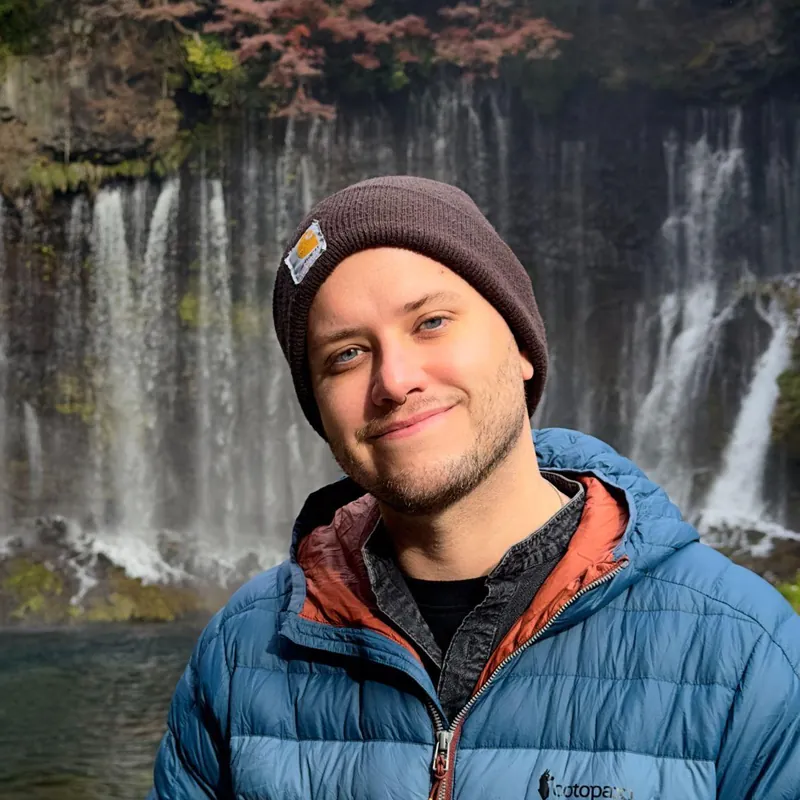
Tyler Nuckols
Lead instructor and program director
A conservation practitioner and educator with over 10 years of professional experience across Southeast Asia and North America. Tyler is a PhD candidate in Environmental Studies at the University of Colorado Boulder, where he has taught undergraduate courses since 2022, including two he designed: Human-Wildlife Interactions and Environmental Justice in Conservation. His dissertation draws on 32 months of embedded participatory action research in Thai farming communities affected by human-elephant conflict, and he maintains active institutional relationships at every field site in this program.

Kamolpawn “Mook” Timtang
In-country operations
A licensed Thai tour guide and professional translator, Mook runs the program's in-country operations: permits, site logistics, and community and partner liaison across the route. At Bring the Elephant Home, an elephant-conservation foundation, she was the education and outreach officer, building community education programs on human-elephant coexistence. She previously ran visa and work-permit administration at a trilingual school in Bangkok.
Mitria Community Connections
Ground operations partner
A small-scale, community-based travel company working across South and Southeast Asia. Mitria handles the program's transport, lodging, and site coordination, and reinvests over 80% of its profits in community-led projects across the region.
A clean division of labor.
Your institution supplies the students, the academic credit and accreditation, the enrollment and tuition mechanism, and the risk-management and insurance framework students travel under. The program team supplies curriculum leadership, the confirmed sites and partners, and all in-country delivery and logistics.
The program team provides
- Curriculum design, field instruction, and learning tools
- The complete in-country operation and program delivery
- Field-based staff, transport, lodging, food, and permits
- All on-the-ground partner-site booking and coordination
- Safety, in-country risk management, and emergency action
- Recruitment-support materials and content support
Your institution provides
- Recruitment, marketing, and enrollment (lead)
- Academic credit and accreditation
- The student-facing price and tuition
- Enrollment management and contracts
- Student insurance and institutional liability
- Information sessions and student advising
Health, safety, and risk management.
Advisory and route
The route sits inside the U.S. Department of State's Level 1 advisory for Thailand. Elevated guidance concerns the Thai-Cambodian border and the far-southern provinces of Yala, Pattani, and Narathiwat, none of which the itinerary touches.
Rechecked three times
Advisory status, park closures, and insurance coverage are reviewed at the 90-day go/no-go date, 30 days before departure, and immediately before travel.
Who decides what
Your institution retains authority over program approval, conduct, insurance minimums, and cancellation. The program team directs field-method decisions, local logistics, and permit compliance. The driver controls vehicle-safety decisions, and site authorities control access and can stop work.
Health preparation
CDC advises travelers to Thailand to consult a travel health professional at least one month before departure, be current on routine vaccines, discuss hepatitis A and B, typhoid, Japanese encephalitis, rabies, and site-specific malaria risk with a clinician, use mosquito precautions, and follow an animal-bite protocol. The program prescribes no vaccination or medication; those decisions belong to each participant and a clinician.
Medical response
For a life-threatening emergency, Thai EMS is 1669 and stabilization comes first; hospital coordination, institutional notification, and insurer activation run concurrently and never wait for insurer authorization. One responsible adult accompanies the patient while the other maintains supervision of the group. Police 191, fire 199, Tourist Police 1155.
Thai facilities may require advance payment, and the U.S. government should not be assumed to pay or evacuate. Travel insurance with medical evacuation and repatriation is proposed as mandatory before departure.
Staff readiness
Role descriptions, a 24-hour contact tree, and a daily duty schedule protecting driver rest; at least two named field staff with current CPR/AED and wilderness first aid; safeguarding, anti-harassment, consent, and mandatory-reporting briefings aligned to institutional policy; verified guide, operator, driver, and vehicle credentials and insurance certificates; and named backups for Tyler and Mook with instructions for academic continuity and emergency leadership.
Observation first, with no exceptions.
No elephant riding, bathing, or direct-contact entertainment; no performing animals; no captive big-cat handling or selfies. Kindred Spirit's hands-off policy (no touching, feeding, riding, performance, or visitor interference) sets the welfare boundary. The Thai Elephant Conservation Center is a structured comparison with a state institution through approved husbandry and education activities only. In protected areas, work is noninvasive and non-collecting. Any venue that cannot meet this standard is removed rather than described more carefully.
Route risk register
| Hazard | Controls and contingency |
|---|---|
| Road travel and fatigue | Commercial licensed vehicles; belted seats; luggage within limits; driver-hour and relief plan; no night transfer unless risk-assessed; rest stops; replacement-vehicle and breakdown plan. |
| Remote access and delayed care | Two responsible adults; tested communications; first-aid capability; route-specific primary and alternate hospitals; insurer assistance; evacuation decision tree; extraction-capable vehicle. |
| Heat, dehydration, sun | Hydration and electrolyte plan; shade and rest; pace and acclimatization; buddy monitoring; activity modification; personal medical plans. |
| Cold and elevation at Doi Inthanon | Required warm layers and rain protection; pre-dawn exposure limit; warm shelter or vehicle; forecast and trail check; alternate lower-elevation work. |
| Air pollution and smoke | Daily review; N95 availability; asthma plans; indoor or low-exertion alternative. |
| Mosquitoes and vector-borne illness | Repellents, clothing, nets where needed; daily symptom check; prompt clinical assessment. |
| Food, water, allergies | Contracted potable water; vendor allergy review; participant action plans and medication access; cross-contact limitations disclosed; backup meals. |
| Wild elephants and other wildlife | Ranger and partner authority; no approach, feeding, touching, baiting, or blocked escape routes; vehicle and shelter plan; quiet retreat; no solo movement. |
| Animal bite, scratch, or exposure | No-contact rule for all dogs and cats; immediate washing and medical assessment; insurer activation; documented rabies post-exposure pathway. |
| Uneven terrain, slips, leeches, insects, snakes | Footwear requirements, lighting, pace, route briefing, first aid, no hand placement in unseen areas, partner-led trail choices, weather-based route changes. |
| Rural road travel and access | Written vehicle, restraint, and driver plan; weather check; luggage limit; emergency extraction; alternate transfer or cancellation if the standard cannot be met. |
| Safeguarding, harassment, community harm | Codes of conduct; interpreter boundaries; voluntary participation; photography consent; reporting paths; partner grievance route; no identifiable student interview archive. |
| Data and sensitive locations | Minimum necessary collection; no identifiers; restricted GPS and wildlife data; encrypted and controlled backup; partner approval for any sharing. |
| Political, legal, or advisory change | Daily local monitoring; State Department and Thai authority review; insurer consultation; itinerary relocation, suspension, evacuation, or cancellation as conditions require. |
Hospital planning candidates by route block
Planning candidates, not endorsements. A roster-specific matrix with GPS points, verified transfer times, and insurer procedures is provided for institutional approval.
| Route block | Candidates |
|---|---|
| Chiang Mai | Maharaj Nakorn Chiang Mai; Bangkok Hospital Chiang Mai |
| Doi Inthanon | Chom Thong Hospital |
| Ban Naklang and Mae Chaem | Debaratana Vejjanukula Hospital |
| Lampang | Lampang Hospital |
| Sukhothai | Sukhothai Hospital |
| Huai Kha Khaeng | Lan Sak Hospital; Uthai Thani Hospital (larger referral) |
| Kanchanaburi | Phaholpolpayuhasena Hospital; Synphaet Kanchanaburi |
| Bangkok | Bangkok Hospital Emergency Center; BDMS Medevac |
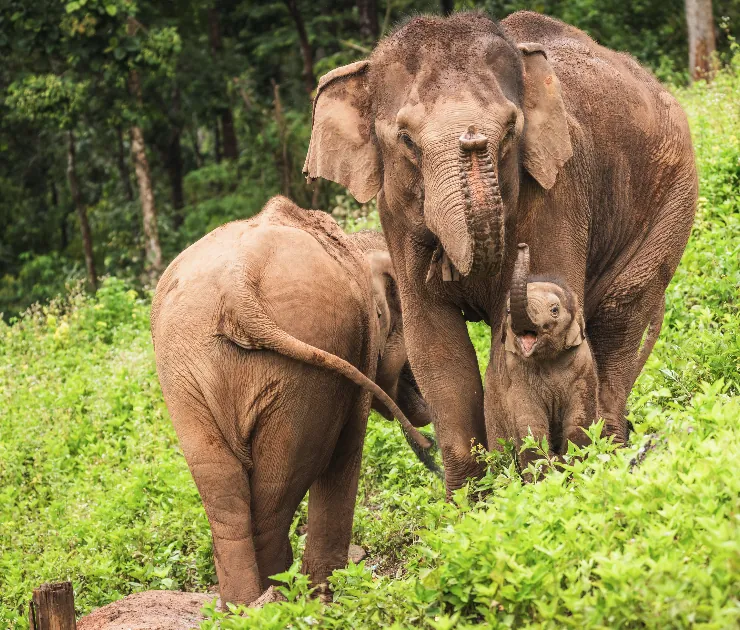
Add this program to your catalog.
Bring your students and your academic framework. The curriculum, the sites, and the team are ready; course numbering, credit treatment, and dates are settled with your institution. The full proposal has the complete itinerary, the fee model, and the risk-management plan.